These facts about Lithuania show why the country deserves more attention than it usually gets. Lithuania is one of Europe’s most underrated countries.
While often overshadowed by larger neighbors, it quietly combines deep historical roots, a unique cultural identity, and a rapidly growing modern economy. From medieval empires to cutting-edge fintech innovation, Lithuania offers a rare mix of old and new.
For travelers, it’s a destination filled with forests, lakes, and preserved old towns. For entrepreneurs and investors, it’s becoming one of Europe’s most attractive entry points into the EU market. And for anyone curious about the world, Lithuania is simply full of surprises.
Here are 20 interesting facts that truly make Lithuania unique.
1. Lithuania Was Once the Largest Country in Europe
At its peak in the 14th and 15th centuries, the Grand Duchy of Lithuania stretched across a vast portion of Eastern Europe. Its territory included present-day Belarus, Ukraine, and parts of Poland and Russia, making it the largest country on the continent at the time. This expansion was not accidental – it was driven by strong leadership, strategic alliances, and military strength.
Unlike many empires built solely on conquest, the Grand Duchy of Lithuania was known for its relatively tolerant governance. Different cultures, religions, and ethnic groups coexisted within its borders. This diversity shaped Lithuania’s long-term cultural identity and helped establish a foundation of resilience and adaptability.
Today, this legacy still matters. Lithuania’s historical scale contributes to a strong sense of national identity and independence. It also explains why the country continues to punch above its weight politically and economically despite its relatively small size.
2. Lithuanian Is One of the Oldest Languages in the World
The Lithuanian language is often described as a living relic of ancient Indo-European speech. Linguists consider it one of the closest modern languages to Sanskrit, preserving grammatical structures and vocabulary that have disappeared elsewhere. This makes Lithuanian incredibly important for understanding how early European languages evolved.
Unlike English or French, which have undergone significant simplification, Lithuanian has retained complex grammatical forms. This includes multiple cases, verb conjugations, and phonetic patterns that date back thousands of years. While this makes the language challenging to learn, it also makes it uniquely rich and expressive.
For Lithuanians, the language is more than a communication tool – it’s a core part of national identity. After periods of foreign rule, preserving the language became a symbol of cultural resistance and pride, which continues to this day.
3. Lithuania Was the Last Pagan Country in Europe
Lithuania officially converted to Christianity in 1387, making it the last pagan nation in Europe. Before this transition, the country followed Baltic pagan traditions that were deeply connected to nature, seasons, and spiritual rituals. These beliefs shaped early Lithuanian culture and social structure.
One of the most unique facts about Lithuania is that it officially converted to Christianity in 1387, making it the last pagan nation in Europe. The delay in adopting Christianity was largely due to Lithuania’s strong political independence.
While neighboring countries had already converted, Lithuania maintained its traditional beliefs as part of its identity and resistance to external influence. This independence allowed its pagan culture to flourish longer than anywhere else in Europe.
Even today, traces of these ancient traditions remain visible. Seasonal festivals, folklore, and rituals still reflect pre-Christian beliefs, giving Lithuania a cultural depth that feels distinctly different from much of Europe.
4. Vilnius Is One of Europe’s Greenest Capitals
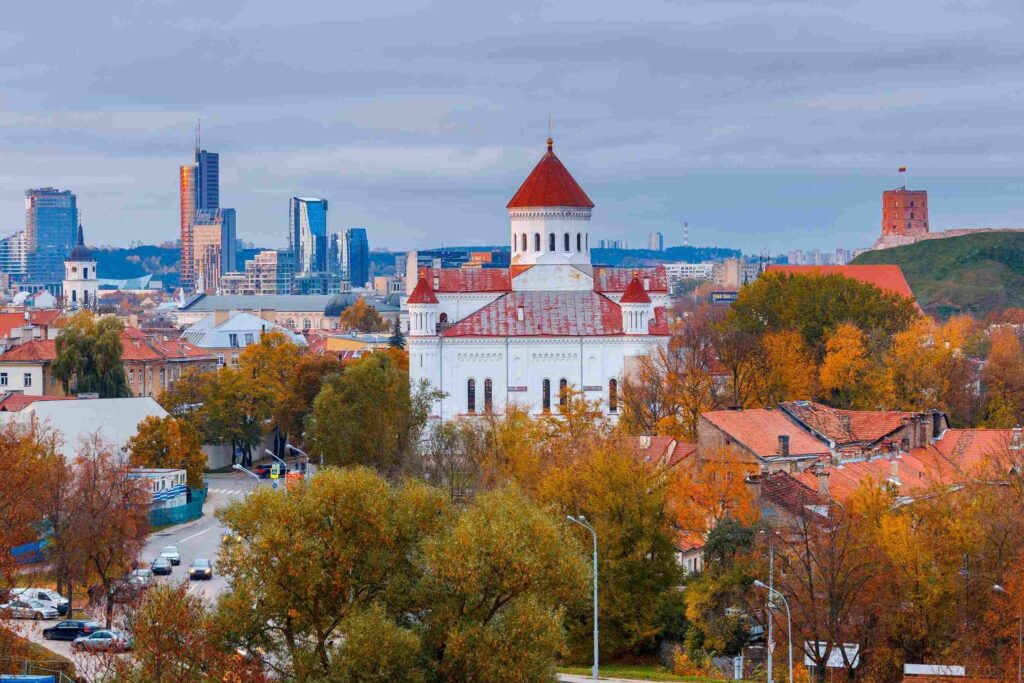
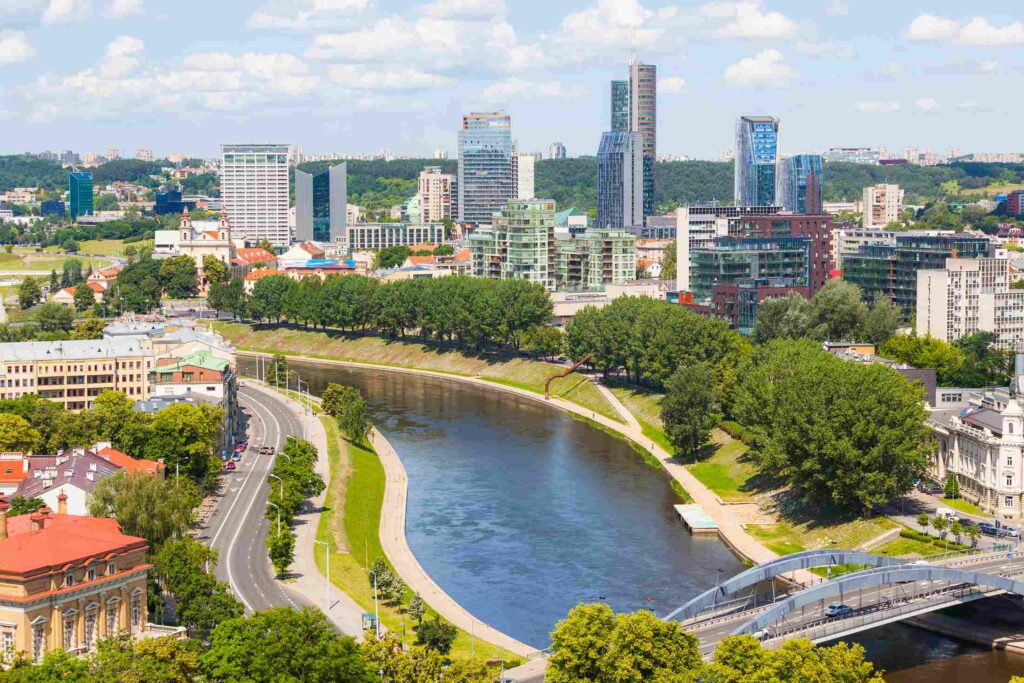
Vilnius stands out as one of the greenest capitals in Europe, with nature integrated directly into the urban environment. Large parks, forested areas, and rivers run through the city, creating a landscape that feels open and breathable.
This abundance of green space contributes significantly to quality of life. Residents enjoy easy access to outdoor activities, cleaner air, and a slower pace compared to more densely built European capitals. It also makes Vilnius particularly appealing for remote workers and families seeking balance.
From an urban planning perspective, Vilnius demonstrates how modern cities can grow without sacrificing environmental sustainability. This approach aligns with broader European trends toward greener, more livable cities.
5. The Geographic Center of Europe Is Located in Lithuania
Lithuania is often recognized as one of the locations of Europe’s geographic center, based on calculations by French scientists in the 20th century. The site, located near Vilnius, has become a symbolic landmark and tourist attraction.
While multiple countries claim this distinction depending on methodology, Lithuania’s claim is widely accepted and celebrated. It reinforces the country’s central position – not just geographically, but culturally and economically within Europe.
This centrality has practical implications as well. Lithuania serves as a natural connection point between Western Europe and Eastern markets, making it strategically valuable for trade and business.
6. Lithuania Has One of the Fastest Public Wi-Fi Networks
Lithuania consistently ranks among the top countries globally for internet speed and accessibility. Public Wi-Fi is widely available, reliable, and often free, even in smaller towns and public spaces. This level of connectivity is uncommon, even in more developed economies.
This strong digital infrastructure has played a major role in Lithuania’s economic growth. It has enabled the rise of startups, supported remote work, and attracted international companies looking for efficient, tech-friendly environments.
For individuals, it simply makes life easier. Whether working remotely, studying, or traveling, reliable internet access is almost guaranteed, reinforcing Lithuania’s reputation as a modern, digitally advanced country.
7. Basketball Is More Than a Sport in Lithuania
Basketball holds a unique place in Lithuanian culture. It is widely considered the national sport and is deeply tied to the country’s identity. From local courts to international competitions, the passion for basketball is visible everywhere.
Lithuania has produced numerous world-class players and consistently competes at a high level globally. Success in international tournaments has further strengthened the sport’s importance within the country.
Beyond competition, basketball serves as a unifying force. It brings communities together and reflects a shared sense of pride, especially during major events.
8. Lithuania Has Over 6,000 Lakes
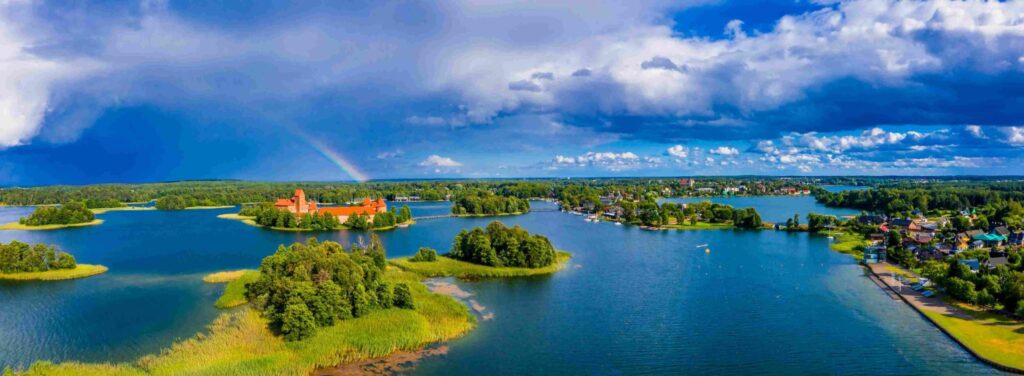
Lithuania’s landscape is defined by its natural beauty, and its 6,000+ lakes are a major part of that. These lakes vary in size and are spread across the country, offering countless opportunities for recreation and relaxation.
Activities like fishing, swimming, and kayaking are common, especially during the warmer months. Many lakes are surrounded by forests, creating peaceful environments that contrast sharply with urban life.
This natural abundance contributes to a lifestyle that values balance and connection with nature. It’s one of the reasons Lithuania appeals to those seeking a slower, more grounded way of living.
9. Forests Cover Over One-Third of Lithuania
More than 30% of Lithuania is covered in forests, making it one of Europe’s greener countries. These forests are not only preserved but also actively managed to maintain biodiversity and ecological balance.
They play a crucial role in the country’s environmental strategy, supporting wildlife, improving air quality, and offering recreational spaces for residents.
Culturally, forests also hold symbolic importance. They are often associated with folklore, traditions, and national identity, reinforcing the deep connection between Lithuanians and their natural environment.
10. Lithuania Was the First Soviet Republic to Declare Independence
In 1990, Lithuania became the first republic to declare independence from the Soviet Union. This decision marked a turning point in European history and set the stage for the eventual collapse of the Soviet system.
The move required significant courage and determination. At the time, the Soviet Union still held considerable power, making Lithuania’s declaration a bold and risky step.
Today, this moment remains one of the most defining historical facts about Lithuania, serving as a testament to the country’s commitment to sovereignty and its willingness to take decisive action in pursuit of independence.
11. Vilnius Old Town Is a UNESCO World Heritage Site
Vilnius Old Town is one of the largest and best-preserved medieval old towns in Europe. Its architecture reflects a mix of Gothic, Renaissance, and Baroque styles.
The area is not just a historical site – it’s a living part of the city. Shops, restaurants, and homes operate within centuries-old buildings, blending history with modern life.
This combination makes Vilnius Old Town a key attraction for visitors and a central part of the city’s identity.
12. Traditional Lithuanian Food Is Unique and Hearty

Lithuanian cuisine is shaped by its climate and agricultural traditions. Dishes are typically hearty, designed to provide energy during long, cold winters.
One of the most iconic foods is Cepelinai, made from potatoes and filled with meat or cheese. It reflects the country’s reliance on simple, locally available ingredients.
Food in Lithuania is also tied to tradition. Many recipes have been passed down through generations, preserving cultural heritage through cuisine.
13. Lithuania Celebrates Unique Seasonal Festivals
Seasonal festivals play a major role in Lithuanian culture, often reflecting ancient traditions. Joninės is one of the most important, celebrating the summer solstice with rituals, music, and bonfires.
These events often incorporate elements of pagan traditions, highlighting Lithuania’s historical roots. They are both cultural and social occasions, bringing communities together.
Festivals also serve as a way to preserve identity, ensuring that traditions continue to be passed on to future generations.
14. Lithuania Is a Growing Fintech Hub in Europe
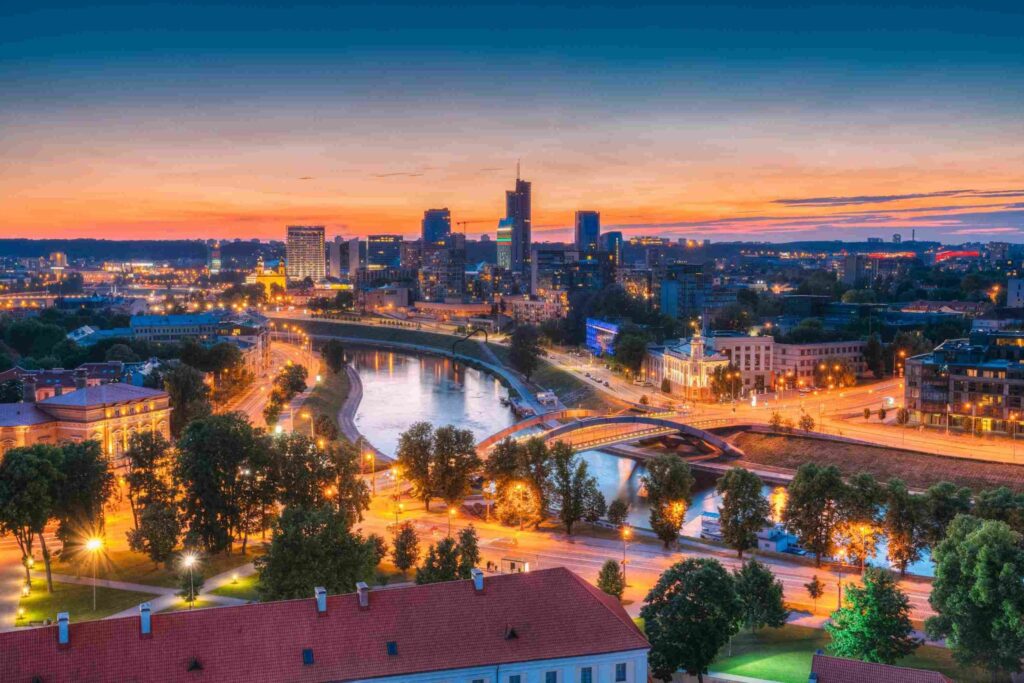
Lithuania has rapidly emerged as one of Europe’s leading fintech hubs. Its regulatory environment is designed to support innovation while maintaining strong compliance standards.
This balance has attracted startups and established companies alike. Lithuania offers licensing processes that are faster and more accessible than in many other EU countries.
As a result, the country is gaining recognition as a serious player in the global fintech ecosystem.
15. Lithuania Offers One of the Easiest Company Formation Processes in Europe
Starting a business in Lithuania is relatively straightforward, especially compared to other European countries. The process is efficient, transparent, and accessible to international entrepreneurs.
Legal experts like Lawhill help simplify this even further. We assist clients with company formation, legal compliance, and ongoing corporate management.
This support ensures that businesses can focus on growth rather than administrative complexity.
16. Lithuania Has Produced Global Tech Companies and Fast-Growing Startups
| Company | Industry | What They Do |
|---|---|---|
| Vinted | E-commerce | Second-hand fashion platform used by millions across Europe |
| Nord Security (NordVPN) | Cybersecurity | Global leader in VPN and digital security solutions |
| Hostinger | Web Hosting | Scaled into a global hosting provider serving millions of websites |
| Surfshark | Cybersecurity | Fast-growing VPN brand with global recognition |
| Paysera | Fintech / Payments | Financial services and payment solutions across Europe |
| Tesonet | Tech Venture Builder | Built and scaled multiple international digital businesses |
This ecosystem reflects a broader trend. Lithuania is not just producing isolated success stories, but building a consistent pipeline of companies capable of competing internationally.
For entrepreneurs and investors, this signals real momentum. Lithuania offers the talent, infrastructure, and business environment needed to scale companies beyond its borders.
17. Lithuania Is Part of the European Union and Schengen Area
Lithuania’s membership in the EU and Schengen Area provides significant advantages. Businesses gain access to the EU single market, while individuals benefit from free movement across borders.
This integration strengthens Lithuania’s position as a strategic base for international operations. It also enhances economic stability, making the country more attractive to investors.
18. The Cost of Living Is Lower Than in Western Europe
Lithuania offers a lower cost of living compared to many Western European countries, while still maintaining a high standard of living.
This affordability makes it attractive for startups, remote workers, and entrepreneurs looking to optimize expenses.
Combined with strong infrastructure, it creates a compelling value proposition.
19. Lithuania Has a Highly Educated Workforce
Education is a priority in Lithuania, resulting in a skilled and adaptable workforce. The country produces talent in areas such as technology, finance, and engineering.
This talent pool supports business growth and innovation, making Lithuania appealing to international companies.
It also contributes to the country’s overall competitiveness within Europe.
20. Lithuania Is Strategically Located Between East and West
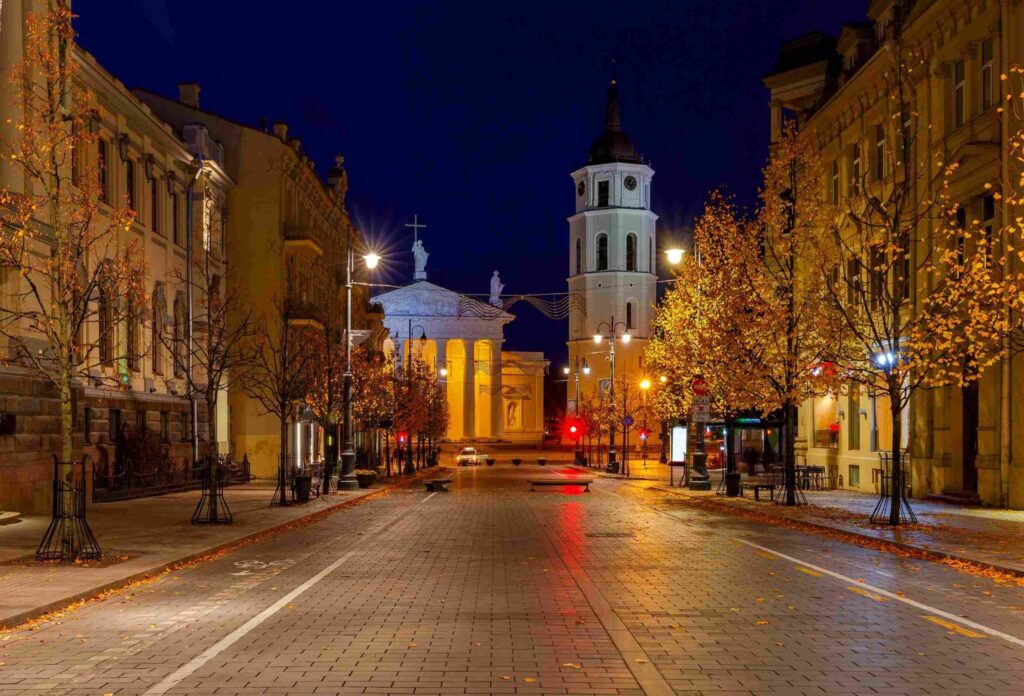
Lithuania’s geographic position makes it a natural bridge between Western Europe and Eastern markets. This strategic location supports trade, logistics, and international business expansion.
Companies operating in Lithuania can efficiently access multiple regions, improving supply chains and market reach.
This positioning continues to play a key role in Lithuania’s economic development.
Conclusion
Lithuania stands out for its ability to combine history, culture, and modern opportunity in a way few countries can. From being one of Europe’s largest empires to becoming a fast-growing digital economy, its transformation is remarkable.
These fun facts about Lithuania reveal a country that is both deeply rooted and forward-looking. Whether you are exploring it as a traveler or considering it as a place to build something new, Lithuania offers real substance.
And for those looking at the business side, having experienced legal guidance can make all the difference. With the right support, entering the Lithuanian market is not just possible – it’s efficient, structured, and full of potential.