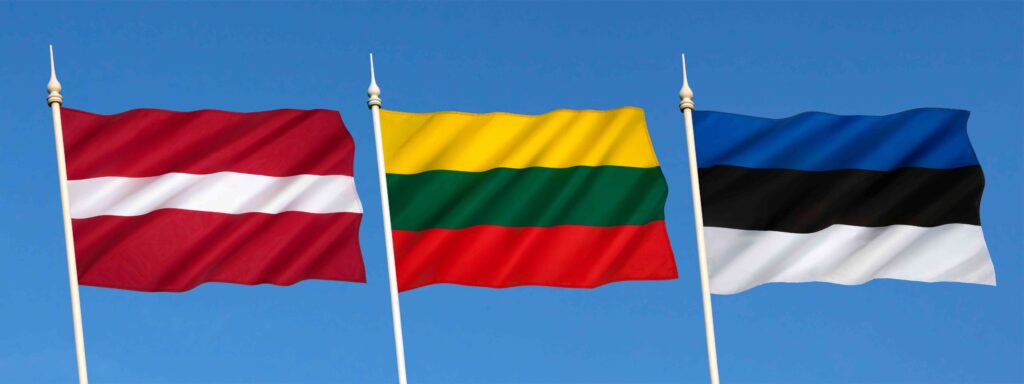
The Baltic States – Estonia, Latvia, and Lithuania – have become one of Europe’s most attractive regions for entrepreneurs and international investors. Despite their relatively small size, these countries offer modern infrastructure, competitive tax systems, and seamless access to the European Union market.
The concept of a Baltic States business gateway reflects the region’s strategic positioning. Located between Western Europe, the Nordic countries, and Eastern markets, the Baltics serve as a natural bridge for companies expanding across multiple regions.
This makes them especially appealing for businesses seeking efficient logistics, cross-border trade opportunities, and access to over 440 million EU consumers.
Why the Baltic States Are Attractive for Business
One of the primary advantages of operating in the Baltic States is full access to the European Union single market. Companies established in Estonia, Latvia, or Lithuania can freely trade across EU member states without additional barriers, making the region highly attractive for international expansion.
The tax environment across the Baltics is also competitive.
Estonia’s well-known system allows companies to reinvest profits without immediate taxation, while Latvia follows a similar deferred tax model. Lithuania offers a standard corporate tax rate with incentives for small businesses and startups, creating a balanced and predictable framework.
Digital infrastructure is another defining strength. Estonia, in particular, is globally recognized for its e-government systems, but all three countries have invested heavily in digitalization. Online company registration, e-signatures, and streamlined administrative processes significantly reduce bureaucracy and speed up operations.
The workforce across the Baltics is highly skilled and multilingual. English is widely spoken, and many professionals are fluent in additional languages such as Russian and German.
Combined with competitive labor costs, this creates a strong value proposition for businesses seeking talent without the high expenses associated with Western Europe.
Doing Business in Estonia
Key Advantages
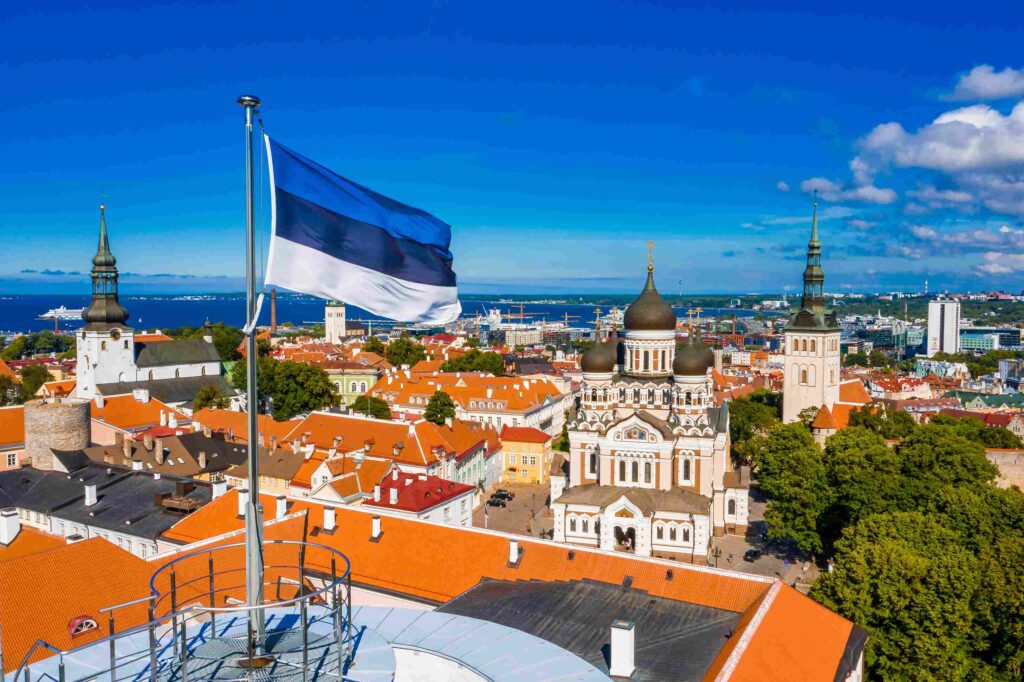
Estonia is often seen as a pioneer in digital governance. Its e-Residency program allows entrepreneurs from around the world to establish and manage a company entirely online. This level of accessibility has made Estonia particularly attractive for digital entrepreneurs and location-independent businesses.
A major benefit is Estonia’s corporate tax system.Companies are not taxed on retained earnings, with a 20% corporate tax applied only when profits are distributed, meaning profits can be reinvested without immediate tax liability. This encourages growth and long-term business development.
The country also boasts a vibrant startup ecosystem. Estonia has one of the highest number of startups per capita in Europe and has produced several well-known tech companies. This environment fosters innovation and provides access to networks, funding, and mentorship.
Challenges
Despite its advantages, Estonia presents certain challenges. Banking has become more restrictive, particularly for non-residents. Opening a corporate bank account can require additional documentation and compliance checks.
Regulatory expectations have also increased in recent years. Authorities are placing greater emphasis on substance and transparency, which means businesses must demonstrate real economic activity within the country.
Additionally, while Estonia excels in digital services, operational costs can be slightly higher compared to neighboring Baltic countries.
Best For
Estonia is best suited for:
- Digital entrepreneurs and freelancers
- SaaS and technology startups
- Businesses operating remotely without heavy physical presence
Doing Business in Latvia
Key Advantages
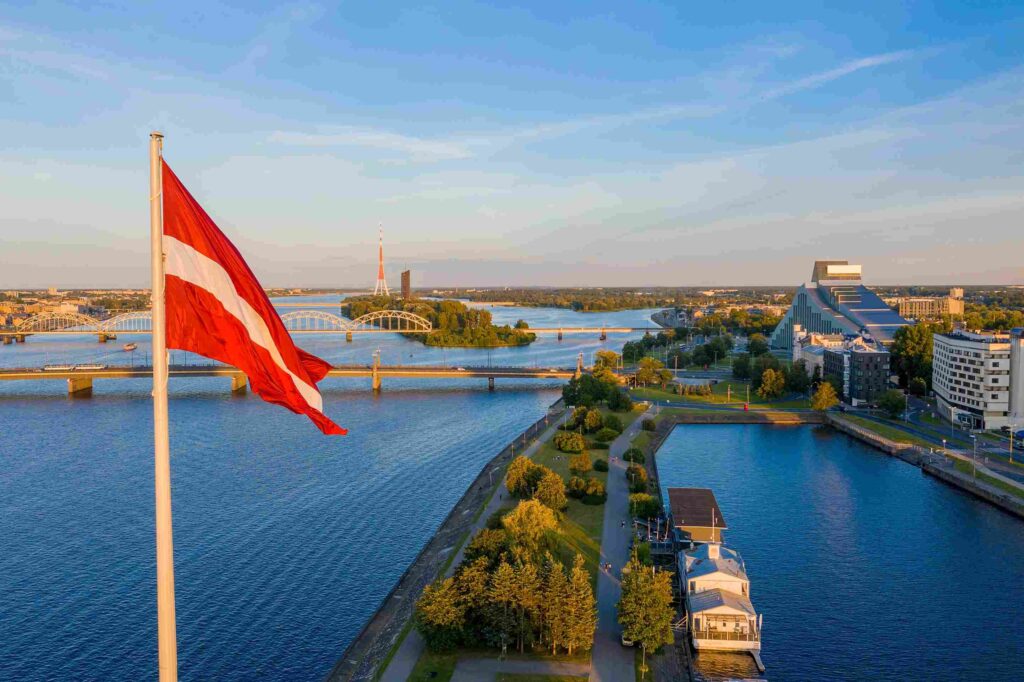
Latvia’s geographic position makes it a strong logistics and transport hub. With access to major ports and connections to both Western and Eastern markets, it is well-suited for companies involved in trade and distribution.
Labor costs in Latvia remain competitive, providing an advantage for businesses that require operational teams or manufacturing capabilities. The country has also made efforts to improve its business environment, introducing reforms to simplify company registration and taxation.
Latvia’s corporate tax system mirrors Estonia’s in many ways, applying tax primarily when profits are distributed. This creates opportunities for reinvestment and growth.
Challenges
Administrative processes in Latvia can be slower compared to Estonia’s fully digital systems. While improvements have been made, some procedures still require more manual involvement.
The startup ecosystem is less developed than in Estonia or Lithuania, which may limit access to funding and innovation networks for early-stage companies.
Banking and compliance requirements can also be demanding, particularly for foreign entrepreneurs unfamiliar with local regulations.
Best For
Latvia is well-suited for:
- Logistics and transportation businesses
- Manufacturing and industrial operations
- Regional trade companies
Doing Business in Lithuania

Key Advantages
Lithuania has emerged as one of the most balanced business environments in the Baltic States. Company formation is fast and efficient, often completed within a few days when supported by experienced legal professionals.
The country has developed a strong fintech ecosystem, attracting international companies and investors. Vilnius, the capital, is now considered one of Europe’s key fintech hubs, supported by progressive regulation and government initiatives.
Lithuania also offers a stable and business-friendly regulatory environment. Entrepreneurs benefit from clear legal frameworks, transparent processes, and reliable institutions.
Lithuania applies a standard corporate tax rate of 17%, with a reduced rate of 7% available for small companies meeting specific criteria, including limits on revenue, number of employees, and ownership structure.
Company Structures in Lithuania
Lithuania provides several legal structures tailored to different business needs:
- UAB (private limited company), the most common and flexible option
- MB (small partnership), suitable for smaller or family-run businesses
- Branch offices and representative entities for foreign companies
Each structure has its own advantages, and selecting the right one depends on the scale and goals of the business.
Challenges
While Lithuania offers a highly favorable environment, there are still practical considerations to address.
- Banking, although more accessible than in some neighboring countries, still involves strict due diligence procedures. Foreign founders may need to provide detailed documentation and demonstrate a clear business purpose
- Compliance requirements must also be taken seriously. Companies are expected to maintain proper accounting records, submit regular tax filings, and meet substance expectations. This includes having a registered address and, in some cases, local operational presence.
- Competitive landscape in certain sectors, particularly fintech and technology. As Lithuania continues to attract international businesses, competition for talent and market share is increasing, which can impact hiring and growth strategies.
Best For
Lithuania is particularly well-suited for:
- International entrepreneurs seeking a reliable EU base
- Small and medium-sized enterprises looking for cost efficiency
- Fintech, tech, and service-based businesses
- Companies that require a balance between flexibility, credibility, and regulatory stability
Its combination of accessibility, infrastructure, and legal clarity makes Lithuania one of the most practical choices in the Baltic States for building and scaling a business.
Establishing and managing a company requires careful attention to legal and regulatory requirements.
Lawhill supports both local and international clients in navigating the Lithuanian business environment. Our services include company formation, ready-made companies, and ongoing corporate law support.
Baltic States Business Comparison Table
A side-by-side comparison helps identify the most suitable jurisdiction based on your business objectives and operational needs.
| Factor | Estonia | Latvia | Lithuania |
|---|---|---|---|
| Company Formation | Very Fast (online) | Moderate | Fast & Flexible |
| Corporate Tax | 0% retained / 20% distributed | 0% retained / 20% distributed | 17% (7% for small businesses) |
| Startup Ecosystem | Very Strong | Moderate | Strong & Growing |
| Cost Level | Moderate | Low | Low to Moderate |
| Banking Access | Can Be Restrictive | Moderate | More Accessible |
| Best For | Digital businesses, e-Residency, SaaS | Trade, logistics, manufacturing | International SMEs, fintech, EU base |
Baltic States Business Gateway: Access to European Markets
The Baltic States function as a strategic gateway into the European Union. Businesses established in the region gain immediate access to one of the world’s largest economic areas, enabling seamless trade and expansion.
Logistics infrastructure plays a key role in this advantage. The Baltics are connected through:
- Modern ports
- Railways
- Road networks
facilitating efficient movement of goods across Europe and beyond.
For international companies, the region offers a practical entry point with lower costs and fewer barriers compared to larger economies. This makes it particularly attractive for startups and small to medium-sized enterprises looking to scale gradually.
Legal and Regulatory Considerations
Choosing the Right Jurisdiction
Selecting the appropriate country depends on the nature of your business.
Estonia is ideal for digital operations, Latvia for logistics and trade, and Lithuania for a balanced approach that supports a wide range of industries.
Understanding your long-term goals is essential. Factors such as tax strategy, operational requirements, and target markets should guide the decision-making process.
Compliance and Substance Requirements
Businesses in the Baltic States must comply with EU regulations, including:
- Accounting standards
- Tax reporting
- Anti-money laundering requirements
Authorities are increasingly focused on substance, meaning companies must demonstrate real economic activity.
This includes:
- Maintaining proper records
- Having a registered address
- Ensuring transparency in operations
Failure to comply can result in penalties or operational restrictions.
Importance of Legal Guidance
Navigating legal requirements can be complex, especially for international entrepreneurs. Working with experienced advisors helps ensure compliance and reduces risks.
Lawhill provides comprehensive support in Lithuania, assisting clients with company formation, corporate governance, and ongoing compliance. Their expertise ensures that businesses remain aligned with local regulations while operating efficiently.
Final Thoughts on Baltic States Business Opportunities

The Baltic States offer a compelling combination of accessibility, affordability, and growth potential. Each country presents unique advantages, making it important to align your choice with your business model and long-term strategy.
Estonia stands out for digital innovation, Latvia for logistics and trade, and Lithuania for its balanced and practical approach. For many entrepreneurs, Lithuania provides the most versatile environment for establishing and scaling a business.
Success in the region depends on preparation and proper structuring. A well-planned approach, supported by experienced legal professionals, can significantly improve outcomes and reduce risks.
FAQs
Which Baltic country is best for business?
The best country depends on your business model. Estonia is ideal for digital companies, Latvia for logistics, and Lithuania for a balanced and flexible environment.
Can foreigners start a company in the Baltic States?
Yes, all three countries allow foreign ownership, and many services can be completed remotely.
What is the easiest Baltic country to start a business?
Estonia offers the most digital process, while Lithuania provides a strong combination of speed, flexibility, and accessibility.
What taxes apply in Estonia, Latvia, and Lithuania?
Estonia and Latvia tax distributed profits, while Lithuania applies a standard corporate tax with available incentives.
Do I need a local director or office?
Requirements vary by country and business structure, but maintaining some level of local presence is often recommended for compliance and credibility.