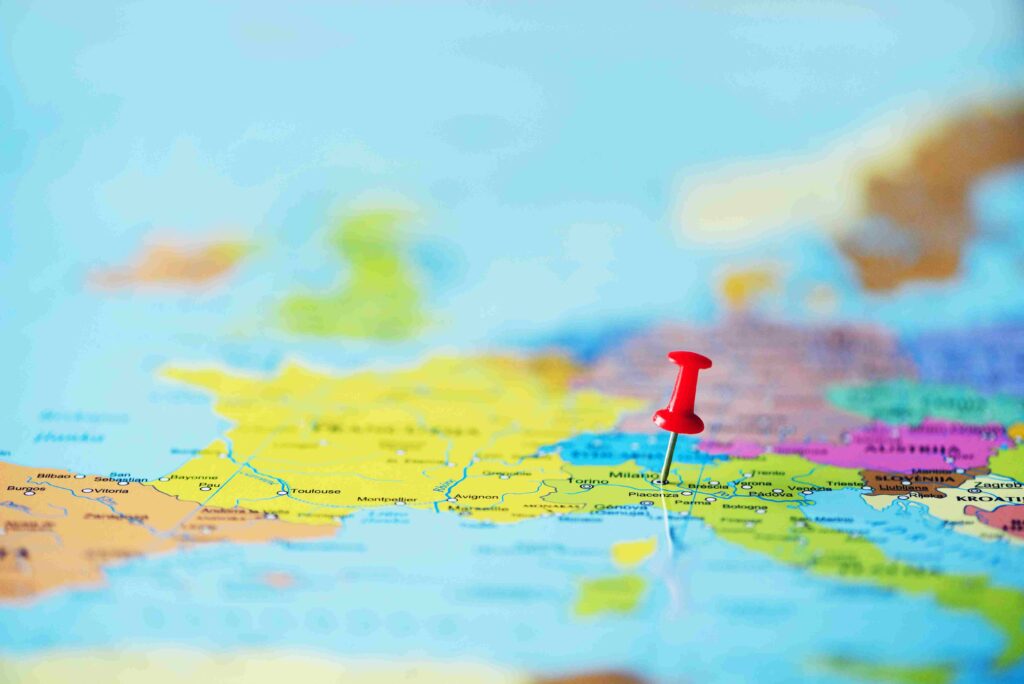
Europe remains one of the most attractive regions in the world for company formation. Entrepreneurs and investors are drawn by access to the EU single market, stable legal systems, and competitive tax environments.
In 2026, cross-border business activity continues to grow, with the European Union accounting for over 440 million consumers, making it a strategic base for both startups and established companies.
Choosing the best country to register a company in Europe depends on your business model, tax strategy, and long-term goals. Some jurisdictions prioritize low taxes, others focus on digital infrastructure, while several offer strong reputations for international expansion.
This guide compares the top countries based on corporate tax rates, ease of incorporation, costs, and regulatory environment.
What Makes the Best Country to Register a Company in Europe?
Selecting the right jurisdiction requires a structured evaluation of several elements:
- Corporate tax rates: Lower tax rates can improve profitability, though effective taxation often depends on exemptions and deductions.
- Ease and speed of company formation: Some countries allow incorporation within days, while others require more complex procedures.
- Banking access: Opening a business bank account can be a major challenge, especially for non-residents.
- Legal stability: Countries with transparent and predictable regulations reduce long-term risk.
- Costs: This includes registration fees, legal support, accounting, and ongoing compliance.
- Reputation: A well-regarded jurisdiction improves credibility with partners, clients, and financial institutions.
Best Countries to Register a Company in Europe
1. Lithuania – Best for Digital Businesses and Holding Structures

Lithuania has become one of the most attractive jurisdictions for entrepreneurs seeking efficiency, affordability, and EU access. The standard corporate tax rate is 17%, with reduced rates of 7% available for small companies under specific conditions.
Company formation in Lithuania is fast and flexible. Businesses can often be registered within a few days, and remote incorporation is possible with proper legal support. The country has built a strong reputation as a fintech hub, supported by a forward-thinking regulatory environment.
Lithuania offers access to the EU market and a growing startup ecosystem. Operational costs remain relatively low compared to Western Europe, making it appealing for early-stage companies and holding structures.
Legal support plays an important role in ensuring compliance. Firms such as Lawhill assist with company formation, including UAB structures, ready-made companies, and ongoing corporate law services, allowing entrepreneurs to focus on business growth.
2. Estonia – Best for E-Residency and Online Businesses
Estonia is widely recognized for its digital-first approach to business. Its e-Residency program allows entrepreneurs from around the world to establish and manage companies entirely online.
One of Estonia’s key advantages is its tax system. Companies pay 0% corporate tax on retained earnings, meaning profits are not taxed as long as they are reinvested in the business. A 20% corporate tax applies only when profits are distributed, such as through dividends. This model encourages reinvestment and supports long-term growth.
Company formation is straightforward and can often be completed within a few days. Estonia’s digital infrastructure enables online management of accounting, reporting, and governance.
The country provides access to the EU market and has a strong reputation for transparency and innovation. Costs are moderate, and compliance requirements are clear and well-structured.
3. Ireland – Best for Multinational Corporations
Ireland has long been a preferred destination for multinational companies. Its corporate tax rate of 12.5% on trading income is among the most competitive in Western Europe.
The country offers:
- A strong legal framework
- An English-speaking environment
- A highly skilled workforce
It serves as a European headquarters for many global corporations, particularly in the technology and pharmaceutical sectors.
Company formation is efficient, though slightly more formal than in smaller jurisdictions. Ireland also benefits from an extensive network of double tax treaties, which can reduce withholding taxes on international transactions.
Operating costs are higher than in Eastern Europe, particularly in cities like Dublin. Despite this, Ireland’s reputation and access to global markets make it a strong choice for scaling businesses.
4. Netherlands – Best for Holding Companies
The Netherlands is a leading jurisdiction for holding companies and international structures. Its participation exemption allows qualifying dividends and capital gains to be received tax-free under certain conditions.
The standard corporate tax rate is 25.8%, with a lower rate of 19% applied to first €200,000 of taxable profits. While not the lowest in Europe, the Dutch tax system offers significant advantages for group structures and cross-border investments.
The country has:
- A highly developed legal system
- Excellent infrastructure
- A strategic location in Europe
It also benefits from a wide network of tax treaties.
Company formation is efficient, though it involves notarial procedures and compliance requirements. The Netherlands maintains a strong international reputation, making it attractive for businesses seeking credibility and stability.
5. Cyprus – Best for Low Taxes and International Structures
Cyprus is known for its favorable tax regime and international business environment. The corporate tax rate is 15%, and the country offers exemptions on dividends and certain capital gains.
It is widely used for international structures due to its tax efficiency and extensive treaty network. Cyprus also provides a relatively simple incorporation process, with moderate setup costs.
The country is a member of the European Union, offering access to the single market while maintaining competitive tax policies. English is widely used in business, which simplifies communication for international entrepreneurs.
Compliance requirements are manageable, though businesses must ensure proper substance to meet regulatory expectations.
6. Malta – Best for Tax Refund Systems
Malta operates a unique tax refund system that can significantly reduce the effective corporate tax rate for shareholders. While the standard rate is 35%, refunds can lower the effective rate to around 5% in certain cases.
The country is part of the EU and offers a well-regulated financial environment. It is particularly attractive for holding companies and international trading structures.
Company formation involves standard procedures and can be completed within a reasonable timeframe. Malta also provides access to a wide network of tax treaties.
Operational costs are moderate, and the country maintains a strong reputation for compliance and transparency. Businesses must follow structured reporting and governance requirements.
7. Bulgaria – Best for Lowest Corporate Tax in the EU
Bulgaria offers the lowest corporate tax rate in the European Union at 10%, making it highly attractive for cost-conscious entrepreneurs.
Company formation is relatively simple and affordable. The country provides low labor costs and operational expenses, which can significantly reduce overall business expenditure.
Bulgaria is an EU member, allowing access to the single market. It also benefits from a growing economy and improving business environment.
While the regulatory framework is stable, businesses may encounter administrative complexities. Proper legal and accounting support is essential to ensure compliance, and Lawhill can assist with company formation and ongoing corporate legal support in Bulgaria.
Comparison Table: Best Countries to Register a Company in Europe
| Country | Corporate Tax Rate | Formation Time | Min. Capital | Best For |
|---|---|---|---|---|
| Lithuania | 17% (7% reduced) | Few days | Low | Digital businesses, holdings |
| Estonia | 0% retained / 20% distributed | Few days | Low | Online businesses, e-Residency |
| Ireland | 12.5% | 1–2 weeks | Low | Multinationals, tech companies |
| Netherlands | 19–25.8% | 1–2 weeks | Moderate | Holding companies, global trade |
| Cyprus | 15% | 1–2 weeks | Low | International structures, IP |
| Malta | 35% (effective ~5% after refunds) | 1–2 weeks | Moderate | Tax optimization, holdings |
| Bulgaria | 10% | Few days | Low | Low-cost operations, SMEs |
Step-by-Step: How to Register a Company in Europe
General Process
- Choose the country based on business goals
- Select the appropriate legal structure
- Register the company with local authorities
- Open a business bank account
- Register for taxes and VAT if required
Common Challenges
- Opening a bank account as a non-resident
- Understanding local compliance requirements
- Navigating legal documentation in foreign languages
Professional legal guidance can simplify the process and reduce risks, especially for international founders.
Costs of Registering a Company in Europe
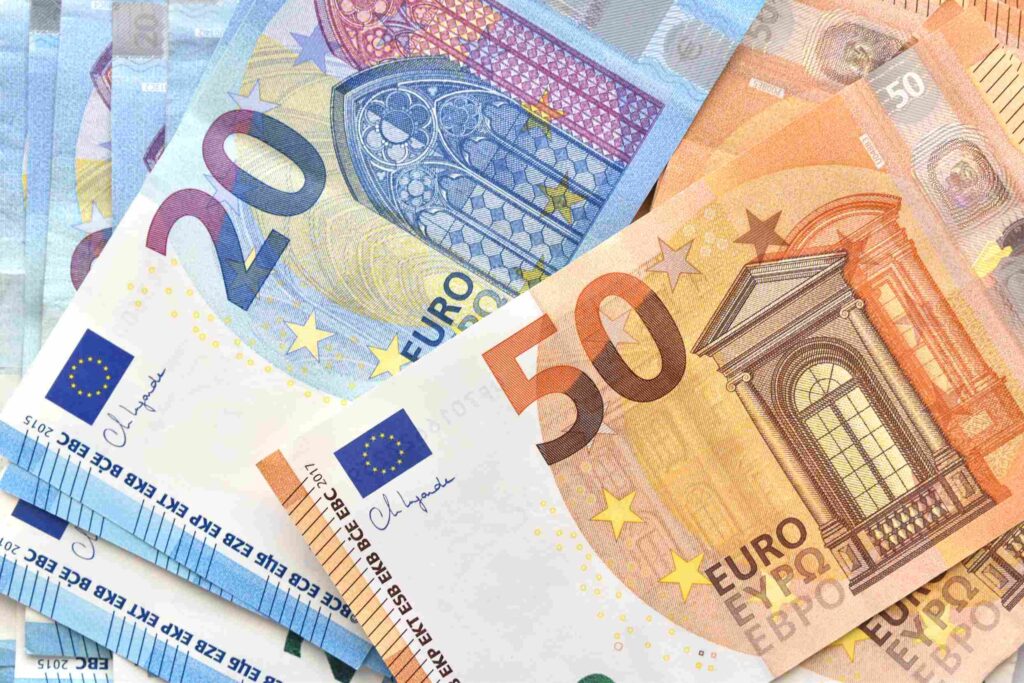
The cost of registering and maintaining a company in Europe varies depending on the jurisdiction, the complexity of the structure, and the level of professional support required.
The table below provides a general overview of the main cost components entrepreneurs should expect:
| Cost Category | Estimated Range | Description |
|---|---|---|
| Formation Costs | €300 – €2,000 | Includes company registration fees, notary services, and basic setup costs |
| Legal & Advisory Fees | €500 – €3,000+ | Professional support for company formation, structuring, and compliance |
| Ongoing Costs (Annual) | €1,000 – €5,000 | Accounting, tax filings, registered address, and compliance requirements |
Risks and Considerations
Registering a company in Europe offers many advantages, but it also comes with important risks that should not be overlooked.
Understanding these factors in advance can help avoid costly mistakes and ensure long-term sustainability.
Regulatory Changes
Tax laws and compliance frameworks across Europe continue to evolve, particularly due to EU-wide initiatives aimed at increasing transparency and preventing tax avoidance.
What may be considered an efficient structure today could become less effective or even non-compliant in the future.
Businesses must stay updated and be prepared to adapt their structures when regulations change.
Substance Requirements
Authorities increasingly require companies to demonstrate real economic activity in the country of incorporation. This includes:
- Having a physical office
- Local directors
- Employees
- Operational presence
Structures without sufficient substance may be challenged by tax authorities, leading to denied tax benefits or penalties.
Banking Restrictions
Opening and maintaining a corporate bank account can be one of the most challenging aspects, especially for non-resident founders.
Financial institutions apply strict due diligence procedures, including:
- Verification of business activities
- Source of funds
- Ownership structure
In some jurisdictions, perceived as higher risk, banking processes can be slower and more restrictive.
Reputation Risks
The jurisdiction you choose can influence how your business is perceived by partners, clients, and regulators.
Some countries, despite offering tax advantages, may carry reputational concerns that lead to additional scrutiny or reduced trust. This can affect:
- Partnerships
- Payment processing
- Access to financial services
EU Anti-avoidance Rules
The European Union has implemented directives such as ATAD (Anti-Tax Avoidance Directive), which aim to limit aggressive tax planning strategies.
These rules impact areas such as controlled foreign companies (CFC rules), interest deductions, and hybrid mismatches. Businesses must ensure their structures align with these regulations to avoid legal complications.
Careful planning, proper structuring, and ongoing compliance are essential to minimize these risks. Working with experienced legal professionals can help ensure that your company remains compliant while maintaining operational efficiency.
How to Choose the Right Country for Your Business

Selecting the best country to register a company in Europe requires a clear understanding of your business objectives, operational needs, and long-term strategy. There is no universal solution, as each jurisdiction offers different advantages.
Startups and Digital Businesses
Countries like Lithuania and Estonia are particularly attractive due to their fast incorporation processes, lower costs, and strong digital infrastructure.
These jurisdictions allow entrepreneurs to launch and manage businesses efficiently, often with remote solutions and minimal bureaucracy.
Tax Efficiency
Entrepreneurs focused on optimizing tax structures often consider jurisdictions such as Bulgaria, Cyprus, and Malta.
These countries offer competitive corporate tax rates or mechanisms that can reduce the effective tax burden when structured correctly. Proper planning is essential to ensure compliance with international regulations.
International Expansion
Businesses aiming to scale globally or establish a strong international presence often prefer countries like Ireland and the Netherlands.
These jurisdictions provide excellent reputations, access to extensive tax treaty networks, and environments that are attractive to investors and multinational partners.
Beyond these categories, several additional factors should influence your decision:
- Nature of your business activity: Certain jurisdictions are better suited for specific industries, such as fintech, e-commerce, or holding companies
- Target markets: Choosing a country that aligns with your main customer base can simplify operations and taxation
- Administrative complexity: Some countries offer simpler reporting and compliance requirements than others
- Access to talent and infrastructure: This becomes increasingly important as your business grows
A structured evaluation of tax implications, setup and operational costs, legal requirements, and long-term business goals will help determine the most suitable jurisdiction.
Taking the time to choose the right country at the beginning can prevent restructuring challenges and support sustainable growth.
Conclusion
There is no single answer to the question of the best country to register a company in Europe. Each jurisdiction offers unique advantages depending on your business model and objectives.
Lithuania stands out as a balanced option with competitive taxes, low costs, and efficient processes, supported by experienced legal firms such as Lawhill. Other countries like Estonia, Ireland, and the Netherlands provide strong alternatives for specific business needs.
A well-informed decision, combined with professional legal support, can set the foundation for long-term success in the European market.