
Lithuania has rapidly evolved into one of the most attractive business destinations in the European Union.
Its strategic location between Western and Northern Europe, competitive tax system, and modern digital infrastructure make it a preferred entry point for entrepreneurs seeking to access the EU market.
The country’s stable economy, transparent regulations, and innovation-driven ecosystem further enhance its appeal for investors and company owners.
Understanding Business Immigration to Lithuania
Business immigration allows foreign citizens to reside in Lithuania legally while managing or investing in a business. It is an efficient pathway for entrepreneurs who wish to build a presence in the EU and benefit from Lithuania’s business-friendly environment.
The country offers several immigration routes depending on an applicant’s goals. Foreign nationals may apply for a business visa to explore investment opportunities or establish a company.
Those planning to reside long-term can obtain a national visa or residence permit based on business activity. With its simplified administrative procedures and strong legal framework, Lithuania provides a clear structure for legitimate business immigration.
Lithuania Business Visa Requirements
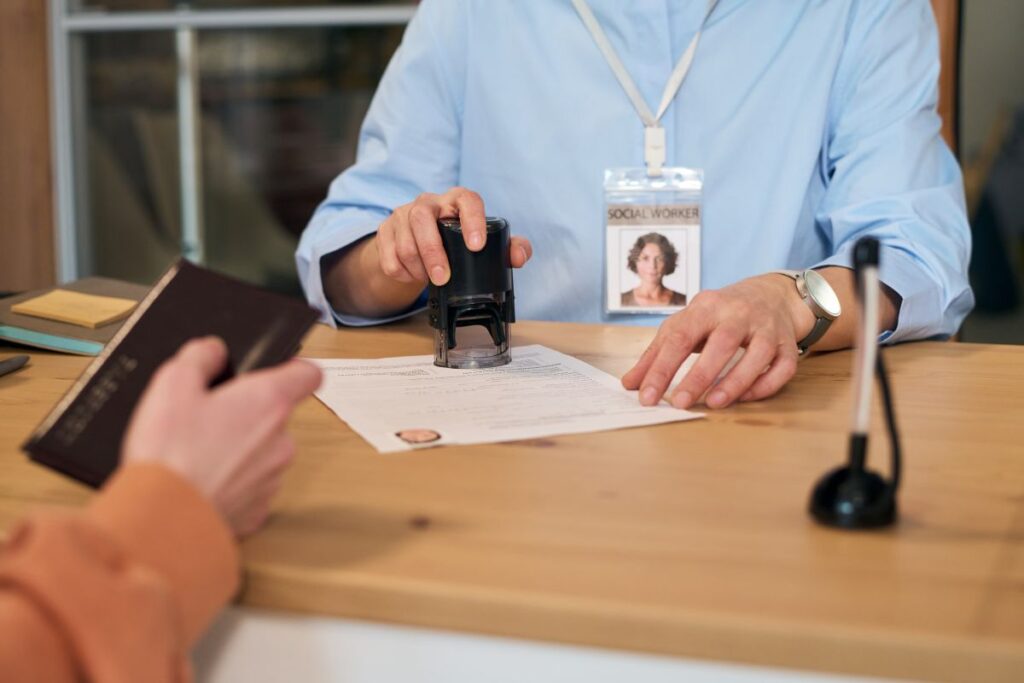
Foreign entrepreneurs seeking to enter Lithuania for business purposes must meet specific visa requirements.
Applicants are generally required to present a valid passport, proof of financial means, documentation confirming the purpose of the visit, and, when applicable, evidence of company ownership or planned investment.
The process begins with submitting an online application or visiting the Lithuanian embassy or consulate in one’s home country. Applicants should include a detailed business plan, company registration documents (if applicable), proof of accommodation, and travel insurance.
Consular officers may request additional information to verify the applicant’s financial and professional background.
A correctly prepared application greatly improves approval chances. Consulting a legal expert before submission helps ensure that documents align with Lithuania’s visa regulations and EU immigration law.
Business Visa Lithuania: Types and Pathways
There are several visa categories suitable for entrepreneurs and investors:
- Short-Term Schengen Visa (C-type): Intended for business visits, negotiations, and short-term stays up to 90 days within a 180-day period. Holders can attend meetings, explore opportunities, and collaborate with Lithuanian partners.
- National Visa (D-type): Designed for individuals who plan to manage or establish a company, invest, or work in a senior managerial role. This visa allows a longer stay-typically up to one year-with the option to apply for a residence permit afterward.
- Residence Permit for Business Purposes: Granted to individuals who own or actively participate in a Lithuanian company’s operations. It enables longer-term residence and may serve as a pathway to permanent residency or citizenship over time.
Selecting the correct visa type depends on the duration and nature of the applicant’s activities. Professional guidance helps identify the most suitable option for each business case.
Lithuania Schengen Visa and Its Role in Business Travel
As a member of the Schengen Area, Lithuania allows travelers holding a Schengen business visa to move freely across 27 European countries for up to 90 days. This visa is ideal for short-term business engagements such as conferences, client meetings, networking events, or exploring potential investment opportunities.
Applicants must provide an invitation from a Lithuanian or EU-based company, proof of professional activity, and evidence of sufficient financial means. A return flight reservation, accommodation confirmation, and travel health insurance covering the entire Schengen zone are also mandatory.
While the Lithuania Schengen visa is not intended for company registration or permanent residence, it plays a crucial role in initial market exploration. Many entrepreneurs use it to conduct feasibility studies, meet with potential partners, and prepare for a future long-term visa application.
Professionals planning to establish a company can use this visa to visit Lithuania, consult legal experts such as Lawhill, and complete preliminary business arrangements before applying for a national visa or residence permit.
Step-by-Step Process: Applying for a Lithuania Business Visa
Applying for a business visa in Lithuania requires attention to detail and compliance with all procedural steps. Below is a detailed overview:
1. Prepare Required Documents
Gather the necessary paperwork, including a valid passport, visa application form, invitation letter (if applicable), proof of financial means, business plan or investment documentation, travel insurance, and evidence of accommodation.
2. Schedule an Appointment
Register online through the Lithuanian Migration Department portal or contact the nearest Lithuanian embassy or authorized visa center to schedule an appointment.
3. Submit the Application
Present your documents in person at the embassy or visa center. Pay the applicable visa fee and provide biometric data (fingerprints and a digital photo).
4. Interview and Review

Some applicants may be invited for an interview to verify their business intentions, background, and funding sources. Supporting documents such as company contracts or proof of ownership strengthen the application.
5. Wait for Processing
The review process typically takes 15 to 30 calendar days. During this time, Lithuanian authorities assess the applicant’s eligibility and verify the authenticity of submitted documents.
6. Visa Issuance
Once approved, applicants receive their visa and can travel to Lithuania. It is essential to check the validity period and permitted stay duration on the visa sticker.
7. Post-Arrival Procedures
Upon arrival, long-term visa holders should register their address, establish their company (if not already done), and, if planning to reside for more than 90 days, apply for a temporary residence permit.
Because visa procedures can differ by nationality and business purpose, professional legal support from firms such as Lawhill helps ensure accuracy and prevent costly delays.
Establishing a Company in Lithuania as a Foreigner
Lithuania’s legal framework makes company formation accessible to both EU and non-EU citizens. Foreigners can establish various legal entities, including a Private Limited Liability Company (UAB), Small Partnership (MB), Individual Enterprise (IĮ), or a Public Institution (VŠĮ).
The UAB remains the most popular choice due to its flexibility, limited liability, and suitability for both local and foreign shareholders.
Company registration involves preparing incorporation documents, selecting a business name, securing a legal address, and registering with the Lithuanian Register of Legal Entities.
Entrepreneurs must also open a corporate bank account and complete tax registration.
Lawhill provides end-to-end support for company formation, handling documentation, legal compliance, and tax registration. Clients can manage the process remotely, allowing them to begin operations quickly and efficiently.
Ready-Made Companies and Fast-Track Business Immigration
For investors who wish to start operating immediately, ready-made companies provide a convenient and efficient solution.
A ready-made company is a pre-registered legal entity that already meets all corporate and tax requirements. It comes with an existing company name, registration number, legal address, and often a corporate bank account.
This option allows business immigrants to bypass the time-consuming process of creating a company from scratch. Instead, they can acquire a fully compliant company and begin operations immediately-an approach that also strengthens their visa or residence permit application by demonstrating an active business base.
Ready-made companies are particularly valuable for:
- Entrepreneurs who need to show operational activity during the immigration process.
- Investors who want to start trading or signing contracts right away.
- Businesses that plan to expand into Lithuania without waiting for new registration approval.
Lawhill maintains a portfolio of verified ready-made companies with clean legal histories and valid bank accounts. Each company can be transferred to new ownership within days, providing a fast-track route to business immigration and operational readiness in Lithuania.
Lithuania Residence Permit Through Business
Entrepreneurs who intend to live in Lithuania for more than 90 days must apply for a temporary residence permit. This permit is granted to individuals who manage or own a Lithuanian company that meets certain economic activity requirements. Applicants must demonstrate ongoing business operations, financial sustainability, and compliance with tax obligations.
After several years of legal residence, individuals may qualify for a permanent residence permit or citizenship, subject to language and integration requirements.
Residence permits also allow family members to join the principal applicant.
Taxation, Compliance, and Legal Obligations

Lithuania’s tax environment is one of the most competitive in the EU. The corporate income tax rate is typically 16%, with potential reductions for small and newly established companies – in some cases as low as 6% for qualifying small businesses.Value-added tax (VAT) is 21%, and there are numerous tax treaties to prevent double taxation.
Companies must maintain accurate accounting records, submit annual financial statements, and comply with employment and social contribution requirements. Legal oversight is essential to avoid administrative penalties or immigration issues.
Common Challenges in Business Immigration
Although Lithuania provides a clear and welcoming environment for business immigrants, applicants often encounter several practical and legal challenges. These include:
- Incomplete Documentation: Missing or incorrectly prepared documents are a frequent cause of visa rejections.
- Unclear Business Purpose: Authorities may request additional proof of genuine business activity if intentions are not clearly defined.
- Language Barriers: Many official documents are in Lithuanian, which can complicate communication with institutions.
- Bank Account Opening Delays: Due to strict anti-money laundering regulations, bank approval processes can take longer for foreign-owned entities.
- Unfamiliar Legal Procedures: Navigating Lithuanian corporate law and immigration rules without expert guidance can lead to compliance issues.
- Visa Type Confusion: Choosing between a Schengen visa, national visa, or residence permit requires understanding of long-term business plans.
Why Choose Lawhill for Business Immigration and Legal Support
Lawhill stands as one of Lithuania’s most experienced legal firms in company formation and corporate law. For over 13 years, it has supported both local entrepreneurs and international investors in building sustainable, compliant businesses in Lithuania.
Strengths include:
- Comprehensive Expertise: Full legal and immigration support for company formation, ready-made companies, and residence permits.
- Remote Services: All procedures can be completed online, ensuring convenience for clients worldwide.
- Local Knowledge: In-depth understanding of Lithuanian law and administrative practice.
- Proven Reliability: A consistent record of helping clients establish and maintain legal entities without delays or compliance issues.
Choosing Lawhill means working with professionals who understand both international business needs and local regulations-offering clarity, efficiency, and trust at every stage.
Frequently Asked Questions
Can I apply for a Lithuania business visa before registering a company?
Yes, you may apply for a short-term business visa to explore opportunities, but a registered company is required for a residence permit or long-term stay.
How long does the visa process take?
Processing usually takes 15–30 days, depending on the applicant’s nationality and completeness of documentation.
Can I bring family members with me?
Yes, family reunification is permitted under specific residence permit conditions.
What is the difference between a Schengen business visa and a residence permit
A Schengen visa allows short-term visits, while a residence permit enables long-term stay and management of a business in Lithuania.
How can Lawhill assist with my application?
Lawhill provides full legal guidance-from company registration and visa preparation to residence permit applications and ongoing corporate compliance.