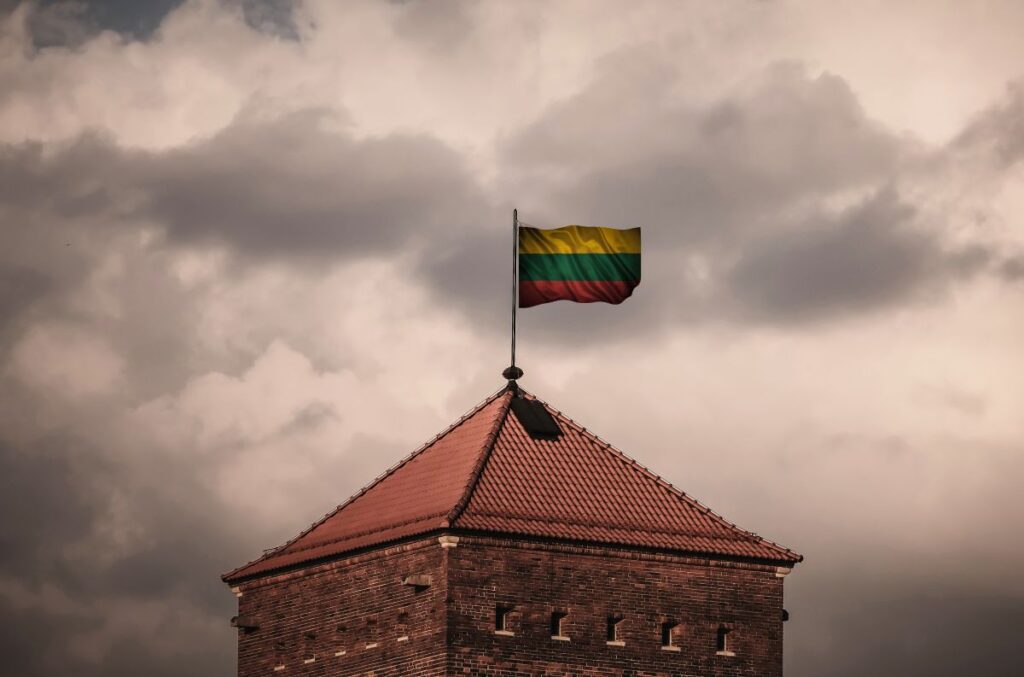
Lithuania is one of Europe’s most fascinating yet underrated destinations – a country where centuries-old traditions blend seamlessly with cutting-edge innovation.
Tucked between the Baltic Sea and Eastern Europe, it’s known for its beautiful landscapes, resilient people, and thriving business climate.
In this article, we’ll explore what Lithuania is known for – from its cultural treasures and natural wonders to its growing reputation as a hub for international investment.
Quick Facts About Lithuania
Before diving deeper, here’s a quick snapshot that captures the essence of Lithuania – ideal for anyone wanting to understand the country at a glance.
- Capital: Vilnius
- Population: Approximately 2.8 million
- Area: About 65,300 km²
- Language: Lithuanian
- Currency: Euro (€)
- Government Type: Parliamentary Republic
- EU Member Since: 2004
- Famous For: Amber, basketball, lakes, baroque architecture, and innovation
Lithuania’s blend of history, modernity, and openness makes it an exciting destination – not just for travelers but also for businesses and investors seeking a European foothold.
Where Is Lithuania Located?
Lithuania lies in Northern Europe, bordered by Latvia to the north, Belarus to the east and south, Poland to the southwest, and the Baltic Sea to the west. Covering an area of approximately 65,300 square kilometers, the country is compact yet full of diversity.
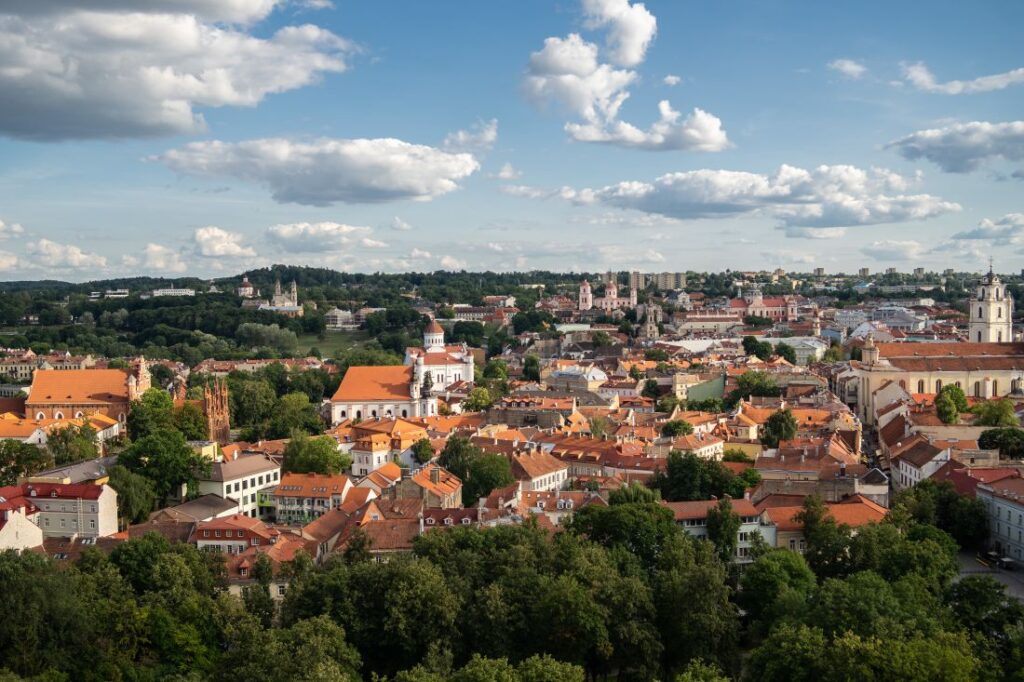
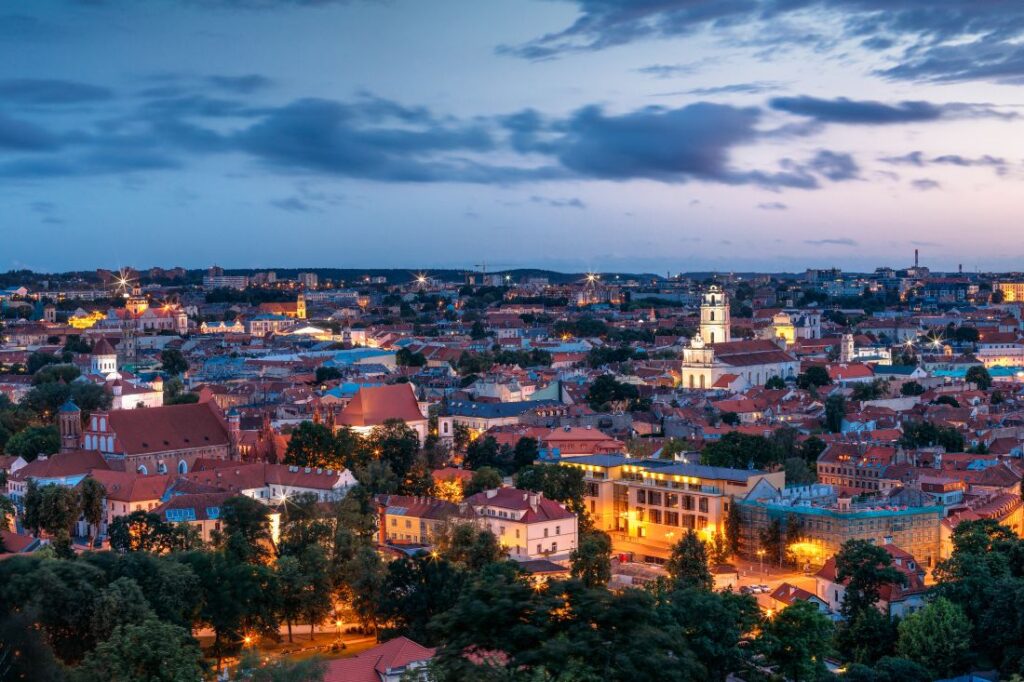
Its capital, Vilnius, sits in the southeastern part of the country and is celebrated for its charming Old Town – a UNESCO World Heritage Site known for baroque churches and cobbled streets.Lithuania is part of the European Union, the Eurozone, and the Schengen Area, which allows free movement across much of Europe.
A Glimpse Into Lithuania’s History and Culture
Lithuania’s history stretches back nearly a millennium. Once the center of the Grand Duchy of Lithuania, it was among the largest and most powerful states in medieval Europe.
Later, it formed a close union with Poland and eventually fell under Soviet rule – before reclaiming its independence in 1990 as the first nation to break away from the USSR.
Culturally, Lithuania remains deeply proud of its identity. The Lithuanian language, one of the world’s oldest Indo-European tongues, preserves many ancient linguistic forms.
Folklore, music, and craftsmanship remain vibrant parts of daily life. The Song and Dance Celebration, a national festival of music and tradition, is recognized by UNESCO for its cultural significance.
Lithuania’s heritage reflects both endurance and creativity – a blend that defines its people today.
What Does Lithuania Look Like?
Lithuania offers a captivating landscape that combines the tranquility of nature with the charm of historic cities. Nearly one-third of the country is covered by forests, and more than 6,000 lakes add to its serene beauty. The terrain is mostly flat with gentle hills, making it ideal for cycling and outdoor exploration.
In the west lies the Curonian Lagoon and the Curonian Spit, where white sand dunes meet pine forests and the Baltic Sea. Central Lithuania is filled with rivers and farmlands, while eastern regions are home to crystal-clear lakes surrounded by ancient woodlands.
Cities like Vilnius, Kaunas, and Klaipėda reflect the nation’s diversity – from gothic churches and art deco buildings to modern glass skyscrapers.
Lithuania’s four seasons bring vivid contrasts: snowy winters that turn the cities into fairy-tale scenes, and lush green summers perfect for festivals and lake retreats. In every direction, Lithuania looks both peaceful and inspiring – a true reflection of Northern Europe’s natural and cultural beauty.
What Is Lithuania Known For?
Lithuania is famous for its nature, innovation, and cultural spirit. Here are the top things Lithuania is known for:
- Vilnius Old Town – One of Europe’s largest and most picturesque medieval city centers. Its mix of Gothic, Renaissance, and Baroque architecture tells centuries of stories.
- The Curonian Spit – A breathtaking 98-kilometer stretch of sand dunes shared with Russia’s Kaliningrad region, listed as a UNESCO World Heritage Site.
- Amber – Often called Baltic gold, Lithuanian amber has been prized for millennia and remains a symbol of the nation’s coastal identity.
- Basketball – More than just a sport, basketball is part of the Lithuanian soul. The country consistently produces world-class players and Olympic teams.
- Traditional Cuisine – Dishes like cepelinai (potato dumplings), šaltibarščiai (cold beet soup), and rye bread showcase a deep culinary heritage.
- Technology and Startups – Known as the Baltic Silicon Valley, Lithuania’s capital has become a hub for fintech, cybersecurity, and IT companies.
- Hill of Crosses – A powerful symbol of faith and resilience, this pilgrimage site features hundreds of thousands of crosses near the city of Šiauliai.
- Festivals and Culture – From midsummer bonfires to jazz festivals and art fairs, Lithuania’s cultural calendar is filled with life and creativity.
Together, these make Lithuania a place of balance – where nature, history, and progress coexist harmoniously.
What Are Lithuanians Known For?
Lithuanians are known for being resilient, industrious, and forward-thinking. Historically shaped by periods of struggle and renewal, they’ve developed a strong sense of national pride and a practical, hardworking attitude.
They are also deeply connected to nature and community life. Family remains central in Lithuanian culture, and education is highly valued.
In business, Lithuanians are recognized for their adaptability and innovation – traits that have helped position the country as one of the most digitally advanced in the region. Whether in technology, manufacturing, or creative industries, Lithuanian professionals bring both discipline and creativity to their work.
Is Lithuania a Developed Country?
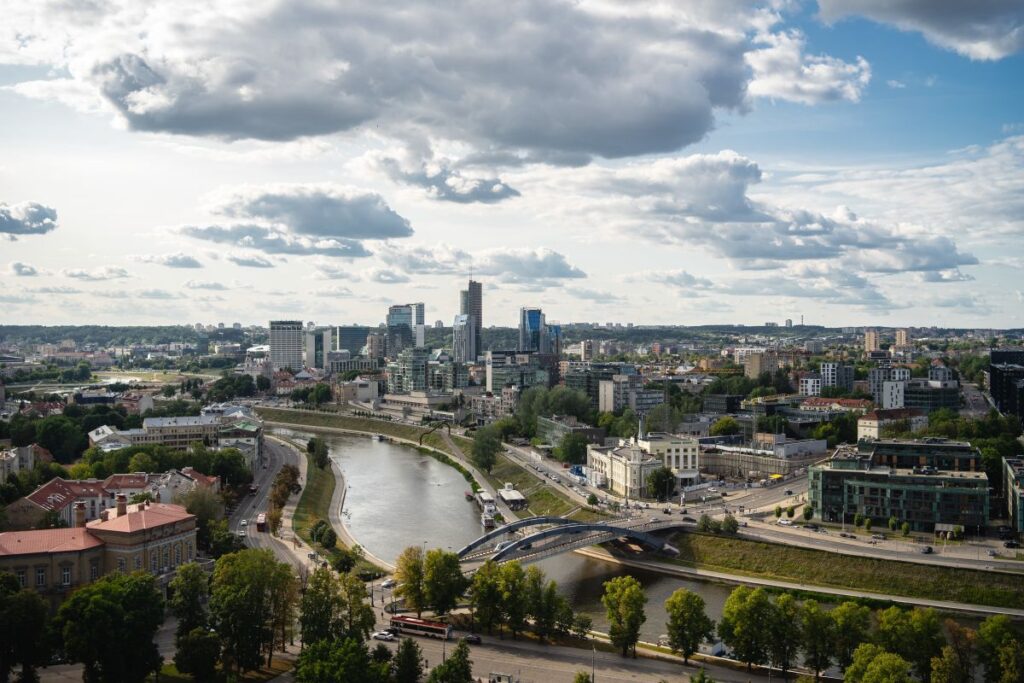
Yes – Lithuania is classified as a developed, high-income economy. Since joining the European Union in 2004 and adopting the euro in 2015, the country has seen rapid economic growth, infrastructure development, and rising living standards.
Its economy is diverse and resilient, with strong sectors in technology, logistics, finance, and manufacturing. Lithuania also boasts one of the most advanced internet infrastructures in Europe, and its digital government initiatives are often cited as models of efficiency.
According to the World Bank, Lithuania ranks 11th globally as one of the best places to start a business, with its overall score improving by 0.6%.
This environment attracts entrepreneurs from across the globe – many of whom rely on expert firms like Lawhill to handle company formation, compliance, and corporate legal matters.
So, while Lithuania may be small in size, it’s certainly not a “third world country.” On the contrary, it stands as one of Europe’s most dynamic and forward-looking economies.
Business and Innovation: A Modern European Hub
In recent years, Lithuania has built a reputation as one of Europe’s most business-friendly environments. The country offers low bureaucracy, transparent regulations, and excellent digital infrastructure.
Vilnius is a recognized FinTech hub, attracting international players in finance, technology, and blockchain. Lithuania’s licensing framework allows companies to enter the European market quickly and efficiently.
The start-up ecosystem is also thriving, supported by government incentives, innovation centers, and a strong talent pool. The country ranks among Europe’s leaders in digital government services, making administrative processes fast and accessible.
Beyond tech, Lithuania’s economy is diverse – spanning manufacturing, logistics, renewable energy, and biotechnology.
For investors seeking stability and compliance, Lawhill provides comprehensive legal services, from company formation and ready-made company acquisition to restructuring and ongoing corporate law support.
All services can be provided remotely, making Lithuania’s business ecosystem truly global in reach.
Why Lithuania Stands Out in Europe
Lithuania stands out for its perfect balance between affordability, innovation, and quality of life. It offers the infrastructure of a Western European country at a fraction of the cost, making it attractive for entrepreneurs, digital nomads, and international companies.
Its workforce is multilingual and highly educated, with strong English proficiency and technical skills. Combined with its strategic location – serving as a bridge between Northern, Central, and Eastern Europe – Lithuania is ideal for logistics and trade.
Culturally, it maintains a distinct identity that blends Baltic traditions with a modern European outlook. Safety, clean cities, and excellent connectivity make it one of the most livable and business-friendly nations in the region.
Whether for tourism or investment, Lithuania’s openness, innovation, and welcoming spirit make it stand out as a rising star in the European Union.
Final Thoughts
Lithuania is known for far more than its scenic landscapes and historic charm. It’s a country of progress – a place where tradition and innovation coexist, and where culture meets opportunity.
From its strong economy and thriving startup ecosystem to its warm, hardworking people, Lithuania offers endless reasons to explore, invest, and grow.